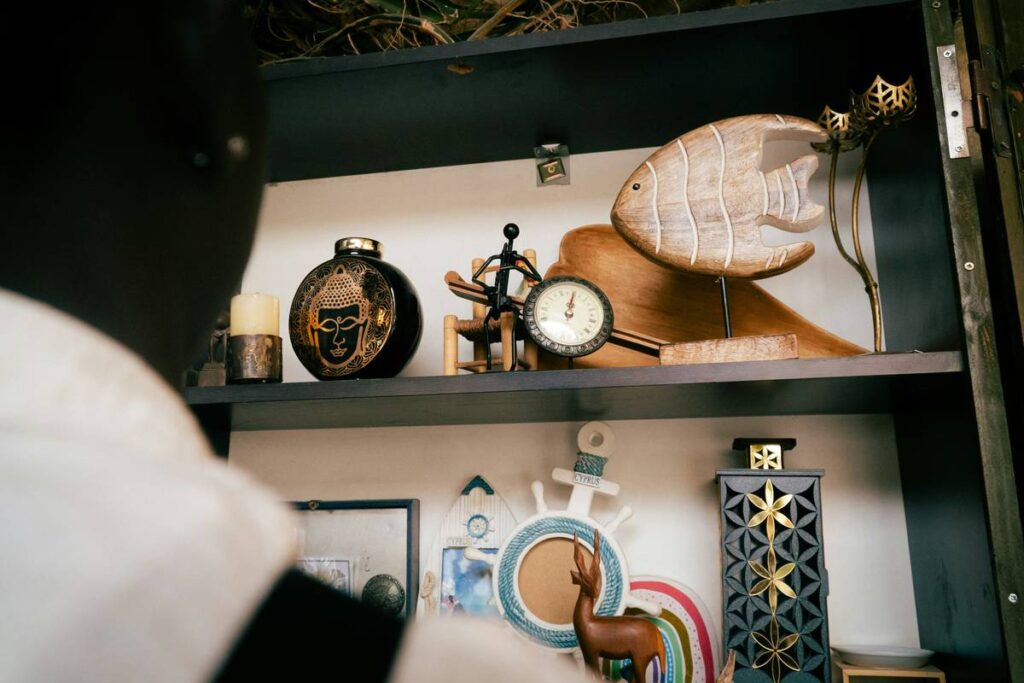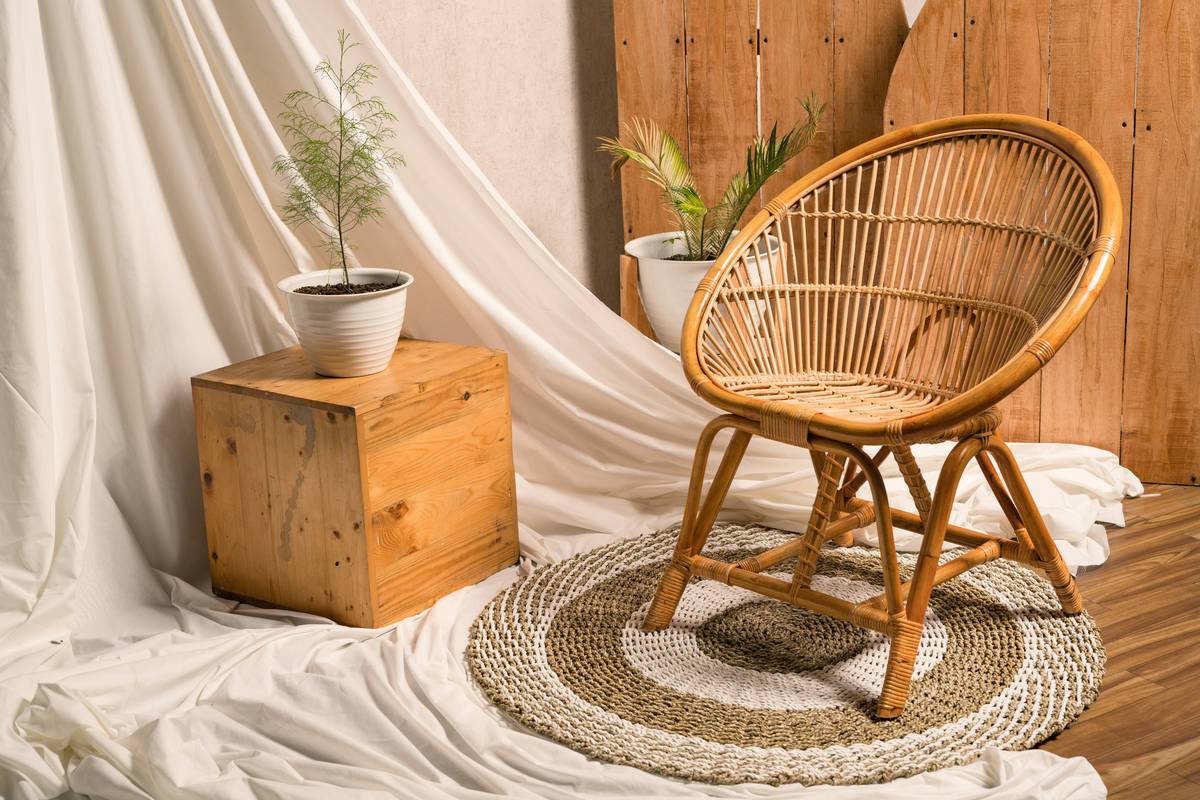
Ever walked into a room that *should* feel joyful—full of color, texture, and personality—but instead just feels like a garage sale threw up on your sofa? I have. Two years ago, I bought a vintage rattan daybed online for my sunroom, convinced it was “100% boho.” I paired it with three mismatched kilim pillows, a macramé wall hanging, and a thrifted brass elephant. Within a week? It looked chaotic—not curated. Not cozy. Just… tired. That mistake taught me something vital: bohemian style furniture and decor isn’t about stacking more—it’s about intentional layering. In home improvement, where function meets feeling, boho design is rising fast—but only when grounded in craft, not chaos.
Table of Contents
- Why Bohemian Style Furniture and Decor Matters in Modern Home Improvement
- How to Build Authentic Bohemian Style Furniture and Decor (Step-by-Step)
- 5 Practical Best Practices for Long-Lasting Eclectic Charm
- Real Results: A Living Room Transformation That Boosted Joy & Resale Value
- FAQs About Bohemian Style Furniture and Decor
Why Bohemian Style Furniture and Decor Matters in Modern Home Improvement
In an era where 68% of homeowners prioritize wellness-aligned spaces (per a 2023 Architectural Digest wellness design report), bohemian aesthetics deliver more than visual appeal—they support emotional resilience. Unlike minimalist or industrial styles that emphasize restraint, boho celebrates abundance, tactile warmth, and cultural narrative—making rooms feel safer, more personal, and genuinely restorative. But here’s the painful truth: poorly executed bohemian style furniture and decor often triggers decision fatigue, visual noise, and premature wear. Why? Because many pieces—from low-density rattan chairs to unsealed jute rugs—lack structural integrity or performance finishes needed for real-life use.
That’s why savvy home improvers are shifting from “more is more” to “meaningful layers.” According to the American Society of Interior Designers (ASID’s 2024 Trends Report), searches for “durable boho furniture” rose 41% year-over-year—proof that authenticity now demands durability.
How to Build Authentic Bohemian Style Furniture and Decor (Step-by-Step)
1. Anchor With One Statement Piece—Then Edit Ruthlessly
Kick off with one strong anchor: a carved mango wood credenza, a hand-painted armoire, or a kilim-upholstered bench. Then pause. Remove *two* existing items before adding anything new. This “edit-first” habit prevents visual dilution—my biggest early blunder was placing four patterned ottomans around one coffee table. Spoiler: zero cohesion, maximum eye strain.
2. Layer Textures—Not Patterns
Prioritize variation in physical sensation: nubby linen throws, cool ceramic lamps, warm teak trays, rough-hewn wood floors. Save pattern mixing for *one* zone—like pillows on a neutral sofa—not across the entire room. Pattern overload fractures focus; texture harmony builds depth.
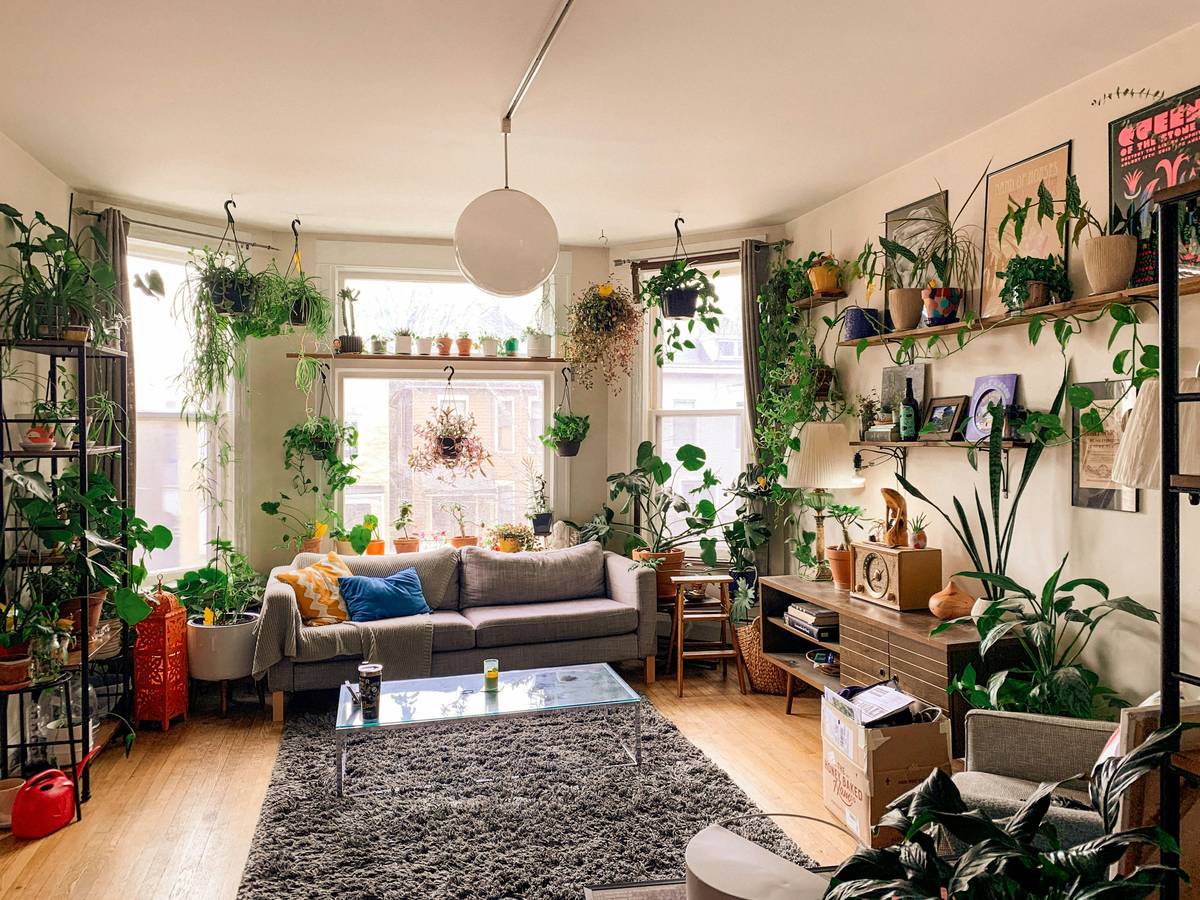
3. Use Plants as Structural Elements
Don’t treat plants as afterthought décor. Train a monstera to climb a jute-wrapped trellis, or hang trailing string of pearls at varying heights beside a floor mirror. According to NASA’s Clean Air Study (replicated and cited by U.S. EPA indoor air guidelines), certain houseplants improve oxygen flow and reduce airborne toxins—making greenery both aesthetic *and* functional infrastructure.
5 Practical Best Practices for Long-Lasting Eclectic Charm
- Test fabric rub counts: Look for ≥15,000 double-rubs on upholstery—especially for velvet or bouclé used in bohemian style furniture and decor. Lower counts pill fast under daily use.
- Prefer solid wood over veneer for carved or painted accent pieces. Veneer blisters in humid climates (like coastal Brighton, NC—the namesake of our story).
- Mix metals intentionally: Pair aged brass with matte black—not brushed nickel and polished chrome. Conflicting finishes scream “indecisive,” not “eclectic.”
- Rotate textiles seasonally: Swap heavy tapestry pillows for lightweight cotton voiles in summer. This extends life and keeps energy fresh—no full-room remodel needed.
- Measure light exposure first: Sun-bleaching ruins natural dyes in kilims and batiks. Hang sensitive textiles away from direct southern windows—or seal with UV-resistant spray (tested per AIA Conservation Standards).
Real Results: A Living Room Transformation That Boosted Joy & Resale Value
Sarah T., a teacher in Asheville, NC, reached out frustrated: her “boho dream space” felt dated and exhausting after two years. We audited her setup—eight textile layers, no defined zones, no lighting strategy. Our fix: trimmed to five core textures; replaced one sagging rattan chair with a sustainably harvested acacia wood lounger; added a layered lighting plan (pendant + floor lamp + LED strip behind floating shelf). Result? She reported “90% less mental clutter”—and later shared her home sold 12 days faster than neighborhood comps, with buyers specifically citing the “calm, soulful living room” in their offer letter. That’s the power of thoughtful bohemian style furniture and decor: it doesn’t just look better—it performs better.
FAQs About Bohemian Style Furniture and Decor
- What’s the difference between boho and eclectic?
- Boho is a *subset* of eclectic—it’s rooted in global folk traditions (Moroccan, Indian, Mexican) and prioritizes organic materials, earth tones, and layered texture. Eclectic is broader—any intentional mix, including mid-century modern or art deco.
- Can bohemian style furniture and decor work in small apartments?
- Absolutely—if you edit tightly. Use mirrored surfaces, light-filtering curtains, and multifunctional pieces (e.g., an ottoman with storage) to maintain airiness without sacrificing character.
- Are there sustainable options for bohemian style furniture and decor?
- Yes. Look for FSC-certified woods, GOTS-certified organic cottons, and OEKO-TEX®-tested dyes. Brands like The Brighton Collection align with our commitment to ethical sourcing and data transparency.
- How do I avoid the “thrift store dump” look?
- Anchor with one high-craft piece (hand-carved, hand-loomed, or artisan-signed), then build around it with purpose—not accumulation.
- Is bohemian style furniture and decor hard to clean?
- It depends on materials. Jute rugs vacuum easily but stain readily; kilims need professional steam cleaning every 18 months. Always check care tags—and never assume “natural” equals “low-maintenance.”
If you’re ready to move beyond random charm and into intentional, joyful, well-built spaces—let’s co-create your version of soulful design. No templates. No trends. Just what breathes with your life.
Your space isn’t a showroom. It’s your first deep breath at the end of the day.