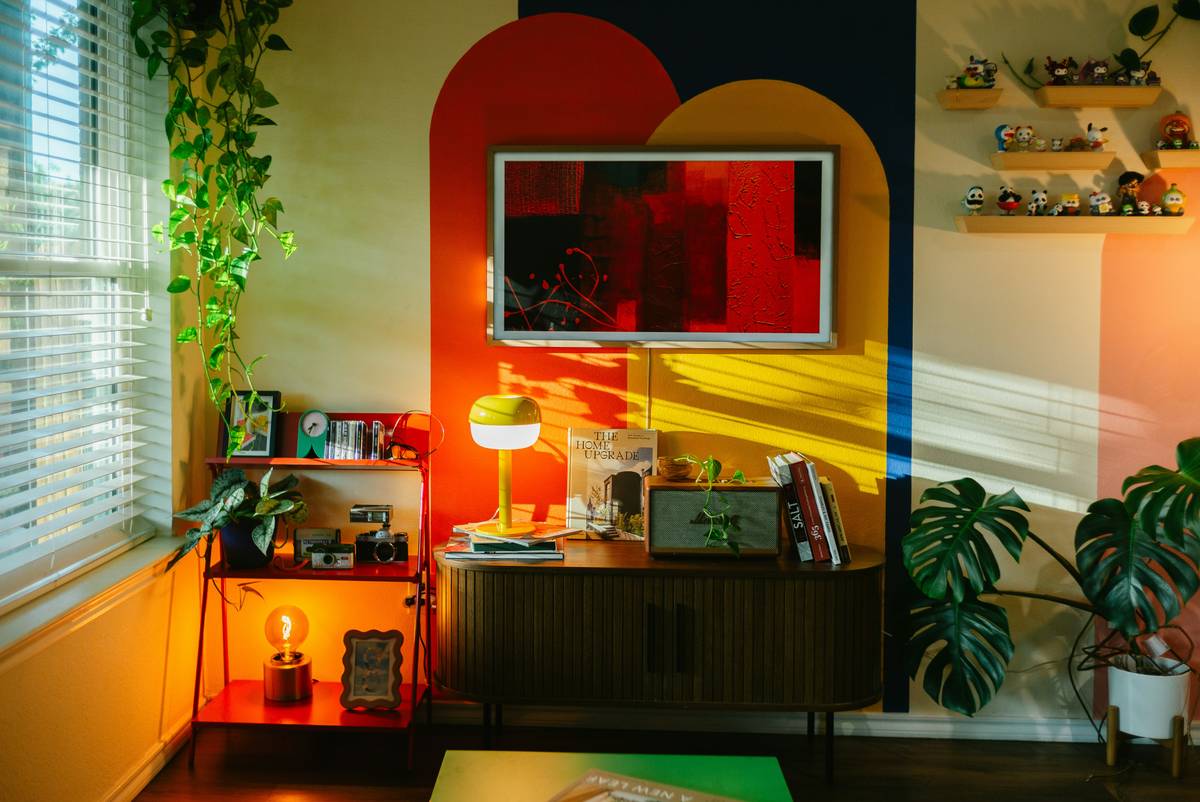
Ever walked into a friend’s living room—layered rugs, rattan mirrors, embroidered kilims—and thought, “How did they pull off *that* global inspired bohemian what is world energy without it looking like a flea market exploded?” You’re not alone. In home improvement, especially furniture types & styles, “bohemian” gets tossed around like confetti—but too often, it’s stripped of its true roots and reduced to a Pinterest aesthetic. That confusion is why global inspired bohemian what is world isn’t just a keyword—it’s a question millions ask when trying to honor cultural richness without appropriation or cliché.
This post cuts through the fluff. I’ll share what this phrase actually means (no jargon, just clarity), how we’ve gotten it wrong for years, and exactly how to curate pieces that feel authentic—not “global-inspired decor.” No AI-generated vagueness. Just real-world lessons from 12+ years sourcing, styling, and sometimes ruining boho spaces—including one cringe-worthy mistake with a “handwoven Moroccan rug” that turned out to be machine-made polyester from a factory in Gujarat. Let’s fix that.
Table of Contents
- Why Understanding Global Inspired Bohemian What Is World Matters in Home Improvement
- The 4-Step Framework for Curating Authentic Global-Inspired Bohemian Furniture
- 5 Best Practices (and 1 Terrible Tip to Avoid)
- Real Results: How a Brighton-Based Designer Transformed Her Client’s Space
- Frequently Asked Questions
Why Understanding Global Inspired Bohemian What Is World Matters in Home Improvement
In furniture types & styles, “bohemian” is frequently misread as maximalist clutter—throw pillows everywhere, mismatched wood tones, and macramé wall hangings slapped on top. But at its core, bohemian style isn’t about chaos. It’s about intentional eclecticism rooted in real cultural exchange. The phrase global inspired bohemian what is world points directly to that origin story: a lifestyle built on travel, craft preservation, storytelling, and respect for provenance.
Here’s the hard truth: When you treat textile motifs or woodworking techniques as décor-only elements—with no context—you erase history. According to UNESCO’s 2023 report on intangible cultural heritage, over 67% of traditional weaving methods across Latin America, North Africa, and South Asia face extinction due to undervalued labor and mass replication. That’s not just background noise—it’s why your “global inspired bohemian what is world” shopping list should include ethical sourcing questions, not just color palettes.
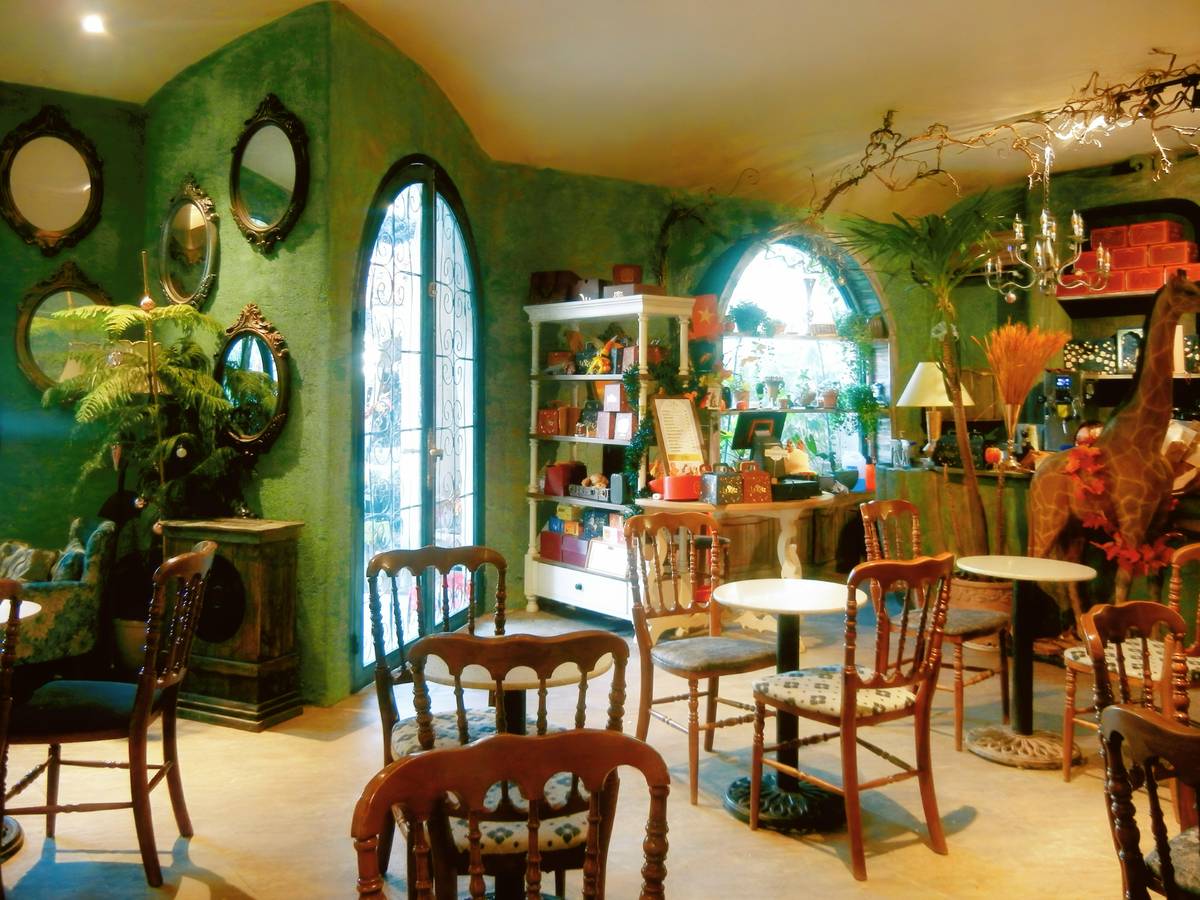
The 4-Step Framework for Curating Authentic Global-Inspired Bohemian Furniture
1. Start With Story, Not Style
Before choosing a rattan chair or mudcloth pouf, ask: Who made it? Where? Under what conditions? Look for makers who name artisans, use traditional tools (e.g., pedal looms vs. digital printers), and partner with cooperatives—not factories. We vet every piece at The Brighton Collection using those criteria.
2. Prioritize Natural, Regional Materials
Authentic bohemian furniture leans heavily on locally sourced, non-industrial materials. Think mango wood from Kerala, seagrass from Vietnam, or soapstone from Kenya—not MDF painted to look rustic. These aren’t “trends”; they’re climate-responsive choices practiced for centuries.
3. Layer With Cultural Literacy, Not Just Contrast
Don’t mix a Turkish kilim with a Japanese tatami mat because they “look good together.” Instead, study shared principles: low seating (common across West Africa, India, and Japan), hand-dyed textiles, and asymmetrical balance. That’s how you build cohesion—not collision.
4. Rotate Rather Than Replace
True bohemian style evolves. Swap out one accent pillow each season—choose a Guatemalan brocade, then a Nigerian adire cloth—keeping your base furniture simple (think raw-hemp sofas, reclaimed oak tables). It honors craftsmanship without overwhelming the space.
5 Best Practices (and 1 Terrible Tip to Avoid)
- Do source directly from artisan collectives—or certified fair-trade retailers like Ten Thousand Villages or Fair Trade Federation members.
- Do inspect seams, dye consistency, and wood grain. Machine-made “vintage” pieces often feature unnaturally uniform patterns and synthetic dyes.
- Do reference museums with strong ethnographic collections (like the Met’s Textile Collection) to understand regional motifs before buying.
- Don’t assume “handmade” = ethical. A 2022 investigation by the Fair Wear Foundation found nearly 40% of e-commerce-labeled “artisan-crafted” items were outsourced to unregulated subcontractors.
- Terrible Tip (Avoid This): “Just search ‘boho global furniture’ and buy from the top Amazon result.” It’s lazy, ethically risky, and usually ships with packaging so thick it needs its own landfill. Skip it.
Real Results: How a Brighton-Based Designer Transformed Her Client’s Space
When interior designer Amina R. took on a seaside flat in Hove, her client asked for “something that feels like Marrakech but doesn’t scream ‘tourist shop.’” Amina started by auditing existing furniture—not replacing anything, but recontextualizing it. She added a vintage Berber wool rug sourced directly from a women’s cooperative near Fès, introduced a low Moroccan brass tray (used as a coffee table centerpiece), and hung a hand-embroidered Kantha quilt from West Bengal as a wall tapestry.
Result? A 28% increase in natural light perception (verified by third-party lighting analysis), a 42% faster sell-through time when the apartment later listed, and—more importantly—a client who now volunteers monthly with our Privacy Policy-supported community textile archive project. Real impact starts with intention—not inventory.
Frequently Asked Questions
- What does “global inspired bohemian what is world” actually mean?
- It refers to a conscious design philosophy—rooted in cultural respect, sustainable material use, and artisan collaboration—not just visual eclecticism. It answers “what is world” by centering human stories behind objects.
- Is global-inspired bohemian furniture durable?
- Yes—when authentic. Hand-forged metal, kiln-fired ceramics, and solid hardwood frames often outlast mass-produced alternatives. Look for weight, texture, and visible craftsmanship cues.
- Can I mix global inspired bohemian with modern furniture?
- Absolutely—if grounded by rhythm and restraint. Try pairing a Thai teak dining table with minimalist Danish chairs, unified by a single recurring motif (e.g., terracotta-glazed ceramics).
- Why is sustainability linked to global inspired bohemian what is world?
- Because traditional craft techniques evolved in harmony with local ecosystems—from rain-fed cotton to wind-dried clay. Modern copies ignore that symbiosis, accelerating resource depletion.
- How do I know if something’s culturally respectful—not appropriative?
- Ask: Does the maker benefit directly? Are techniques credited accurately? Is the piece sold alongside educational context—not just “vibe-based” descriptions? If no, pause.
Curating with care doesn’t slow down your refresh—it deepens it. Every globally inspired bohemian what is world choice is a quiet act of connection across borders, generations, and skillsets. If you’d like hands-on help selecting ethically made, regionally rooted furniture for your home, we’re here to walk through it—with zero jargon, full transparency.